AdvertisementSKIP ADVERTISEMENTYou have a preview view of this article while we are checking your access. When we have confirmed access, the full article content will load.Ezra KleinJune 14, 2026Credit...Michael Raines/Connected ArchivesListen · 9:20 min Chris Murphy, the Democratic senator from Connecticut, offered the graduates of Wesleyan University wise counsel in his commencement speech a few weeks back. “You are about to step out into a world that prizes efficiency and the annihilation of drift and friction above all else,” he said. “Our entire economy is built on rewarding companies that are efficient at making a profit, not based upon how they treat their workers, the social value of their product or the impact they have on the community.”“You didn’t design this world,” he continued. “You didn’t choose it.
But you will live with the consequences of this cult of efficiency. And you will have to choose which side you are on.”How do you make the most bread from the least wheat? A classic question of efficiency, but one that can be answered destructively. You can mix the flour with chalk or gypsum, as bakers sometimes did in previous centuries.
Weigh the bread, and “more” of it is being made. But then people are eating powdered rock. Or you can use alum to whiten your loaves on the cheap. But alum harms the human digestive system and can kill children who consume it, as happened during the Victorian era.This leads to a question that we too rarely ask: Efficient for whom?
In Victorian England, what could be efficient for the baker was ruinous for the buyer. In modern America, what can be efficient for the factory farmer can be ruinous for the animal and, I’d argue, unwise for us.In April, the House passed its version of the farm bill.
It’s one of those sprawling pieces of legislation that includes many sections sizable enough to be their own bills. One of those sections is the text of a bill that would not stand a chance in the Senate on its own: the Save Our Bacon Act.My colleague Nicholas Kristof wrote a wonderful column on this last month, but let me recap it: In 2016 and 2018, voters in Massachusetts and California passed ballot initiatives banning, among other things, the sale of pork from pigs confined in gestation crates.
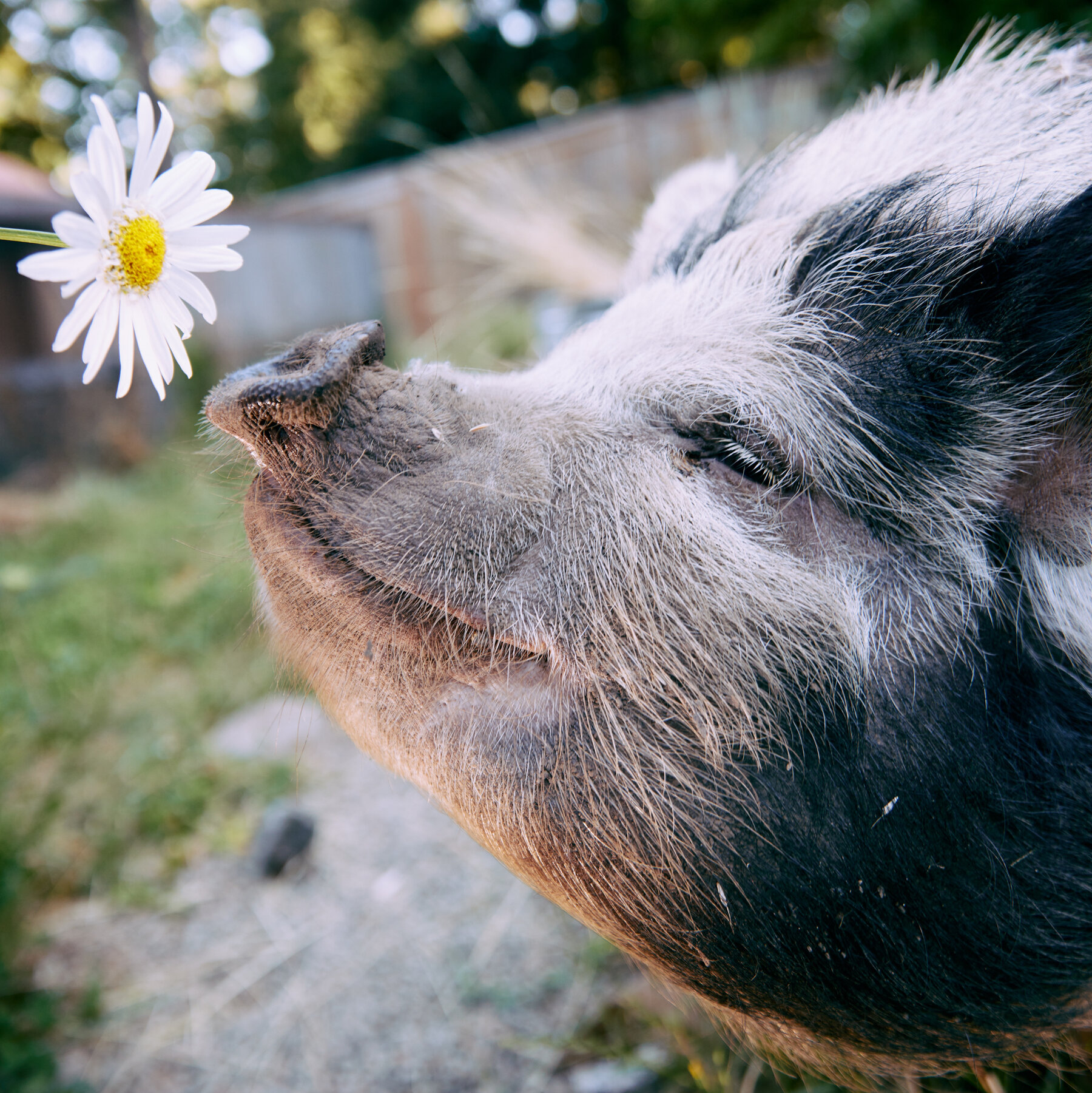
These crates confine breeding sows — large animals, often 400 to 500 pounds — in two-by-seven-foot cages in which they cannot so much as turn around, much less root or socialize. Because sows are often reimpregnated about a month after their piglets are born, they can spend years of their lives in these crates.Thank you for your patience while we verify access.
If you are in Reader mode please exit and log into your Times account, or subscribe for all of The Times.Thank you for your patience while we verify access.Already a subscriber? Log in.Want all of The Times? Subscribe.AdvertisementSKIP ADVERTISEMENT